Yard Smart Info
The Yard Smart Program is a voluntary effort to help reduce synthetic pesticide use, conserve natural resources, and make room for wildlife.
This program encourages yard care practices that are safe for children, pets, and the environment!
Being Yard Smart means being on track to having an ecologically sustainable yard. This means the yard is safer for children, adults, pets, wildlife, and all living things. This is accomplished by avoiding or minimizing synthetic pesticides and high-nitrogen fertilizers, conserving natural resources like water and fossil fuels, and supporting native diversity in plants and wildlife. Yard Smart yards work with (not against) nature by not polluting the air, soil, or water.
Get your yard certified as Yard Smart
“I pledge to use ecologically-smart practices in my yard.” I believe these sustainable yard practices will help keep our community healthy, naturally beautiful, and safe from harmful chemicals, unnecessary pollution and waste. I will also try to educate others in my community about the benefits of these practices.
Ways to be Yard Smart:




Yard Smart Goals
Goal 1: To Preserve Healthy Watersheds
By being Yard Smart you commit to reducing the amount of synthetic pesticides and fertilizers used in your yard, helping to reduce the amount of chemicals polluting our watersheds.
- Synthetic pesticides can harm humans, wildlife, and the environment
- Pesticide use have been linked with various forms of cancer and other serious health issues
- Pesticides get into the groundwater through storm water runoff
- 70% of pollution in our streams, rivers, and lakes are carried there by storm water
- The use of synthetic ammonia fertilizers can contaminate groundwater and kill beneficial microorganisms in the soil
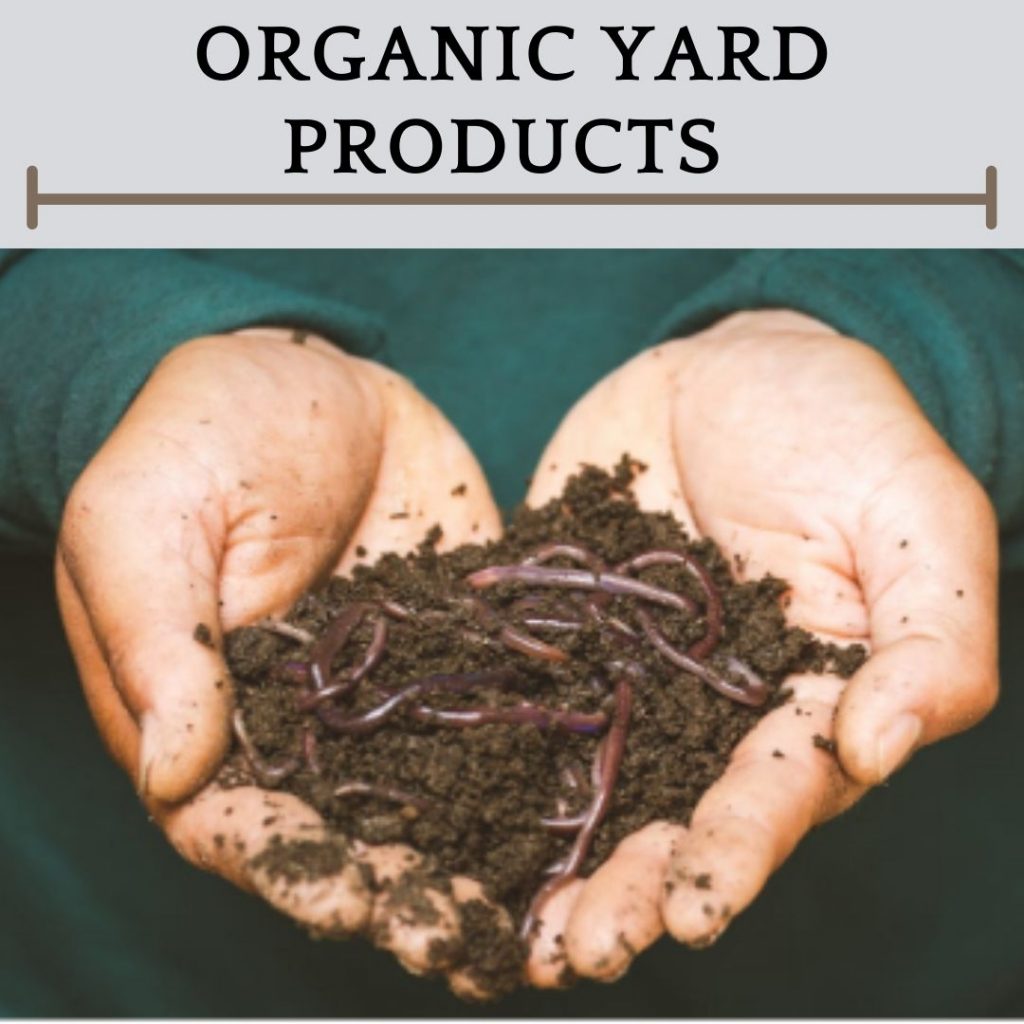
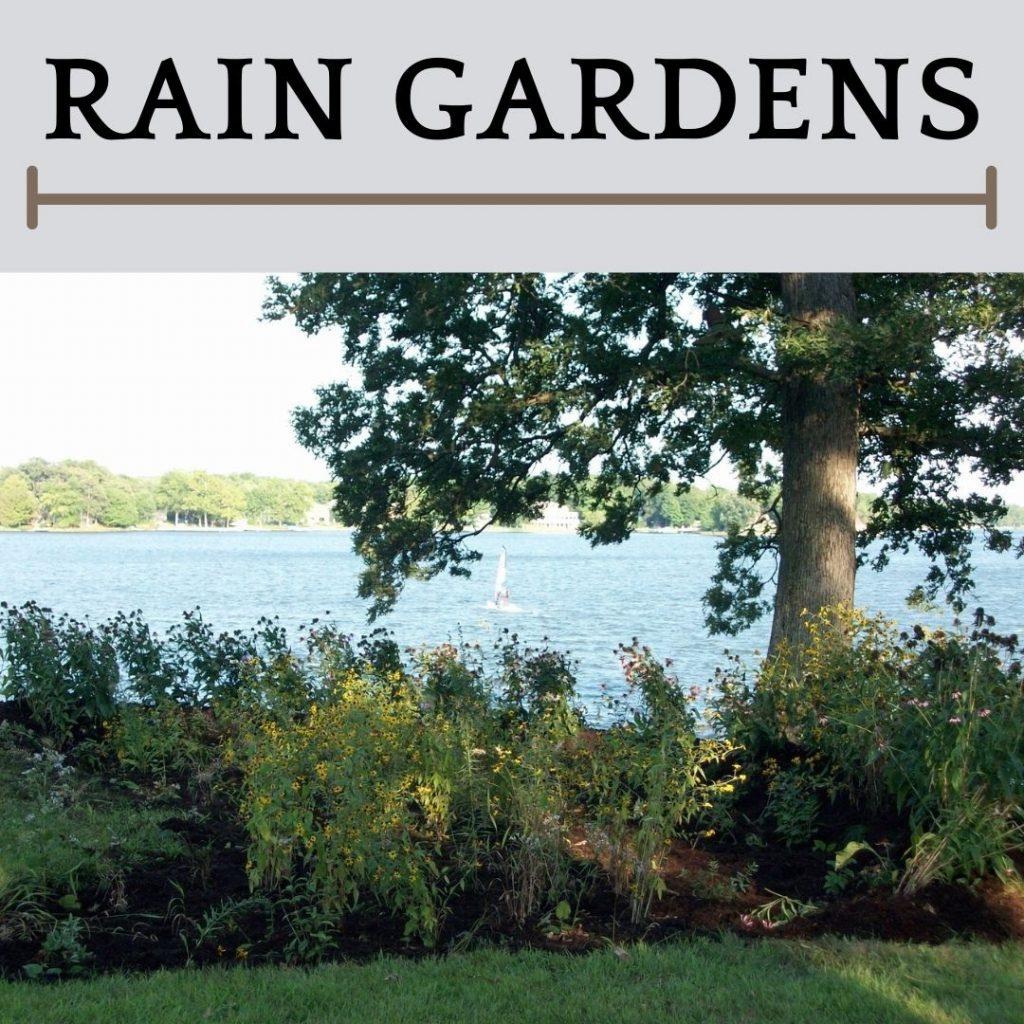
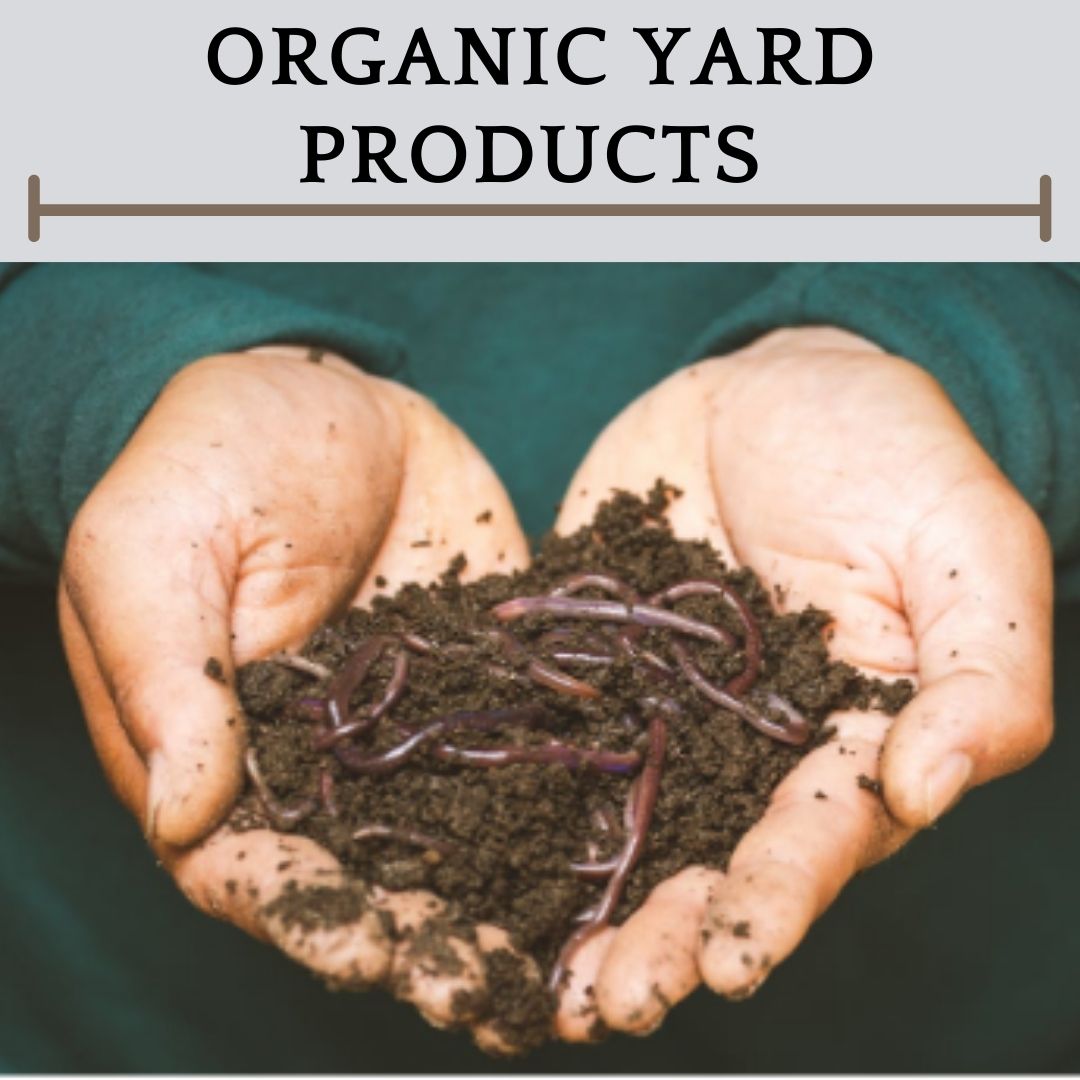
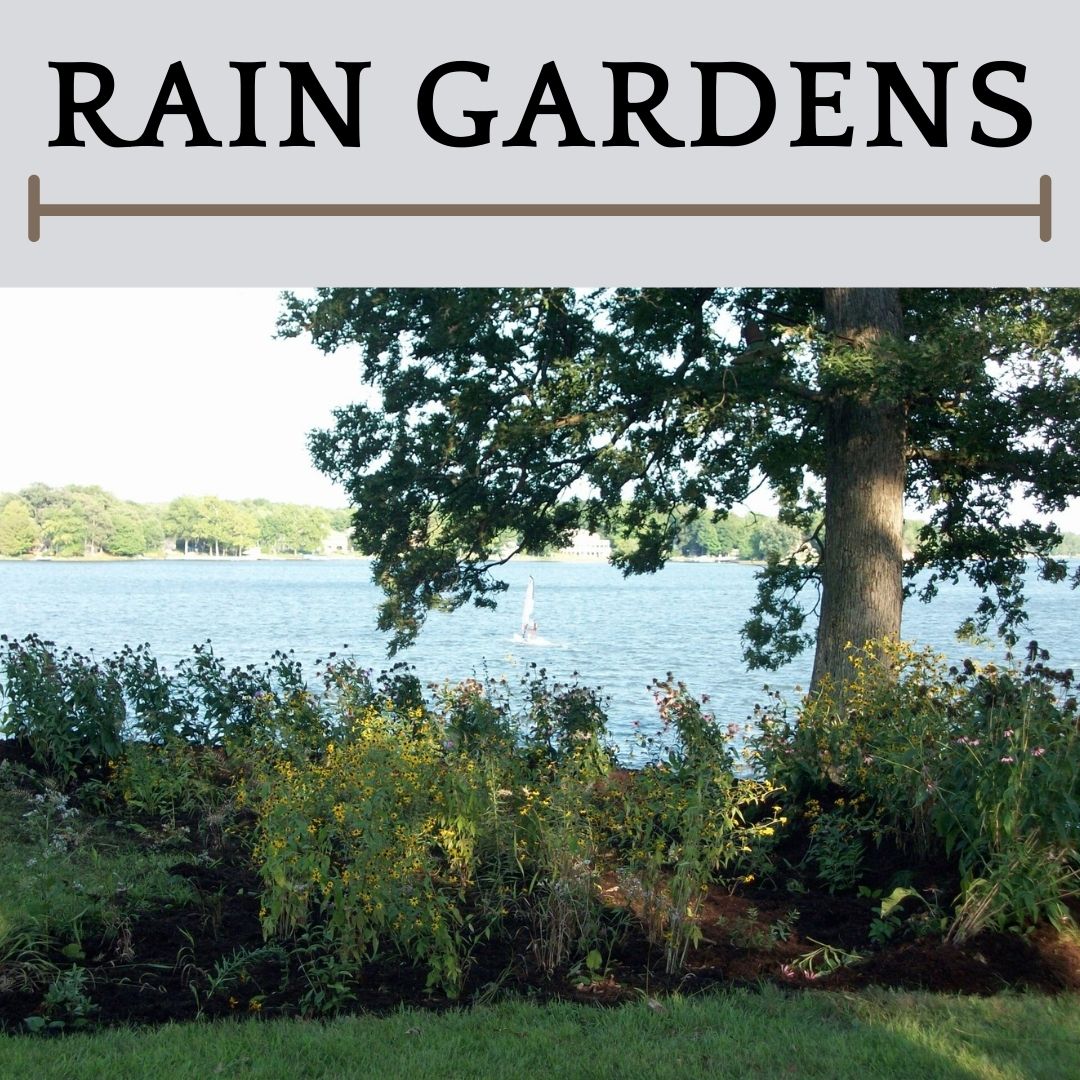
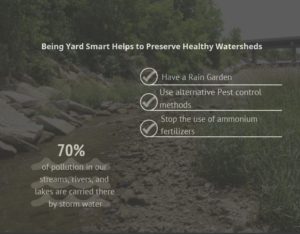 To help preserve healthy watersheds use Rain Gardens or Organic Yard Products with help from our Yard Care Product Guide
Goal 2: To Conserve Natural Resources
Most municipal water comes from over-stressed underground aquifers that are being drawn at a rate greater than what is needed to recharge them. By pledging to be Yard Smart you are making a commitment to reducing your use of natural resources like water and fossil fuels.
- Organic practices help to reduce waste and conserve natural resources like water and fossil fuels
- According to the US EPA, the average family uses 400 gallons of water a day, and 1/3 of that is used for landscape irrigation
- Different mowing practices reduce fossil fuel usage
- A study of air pollution in California found that mower emissions per year equaled that produced by 3,500,000 automobiles driven 16,000 miles each
- Clean water is not an unlimited resource and pollution is a major contributing factor to non-usable water
- More than 70% of the Earth’s surface is covered by water, but only 2.5% of this supply is considered fresh water and of that 1.2% could be used for drinking water if not contaminated
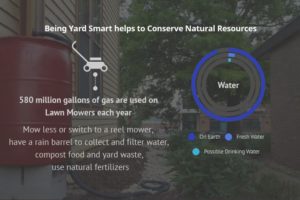
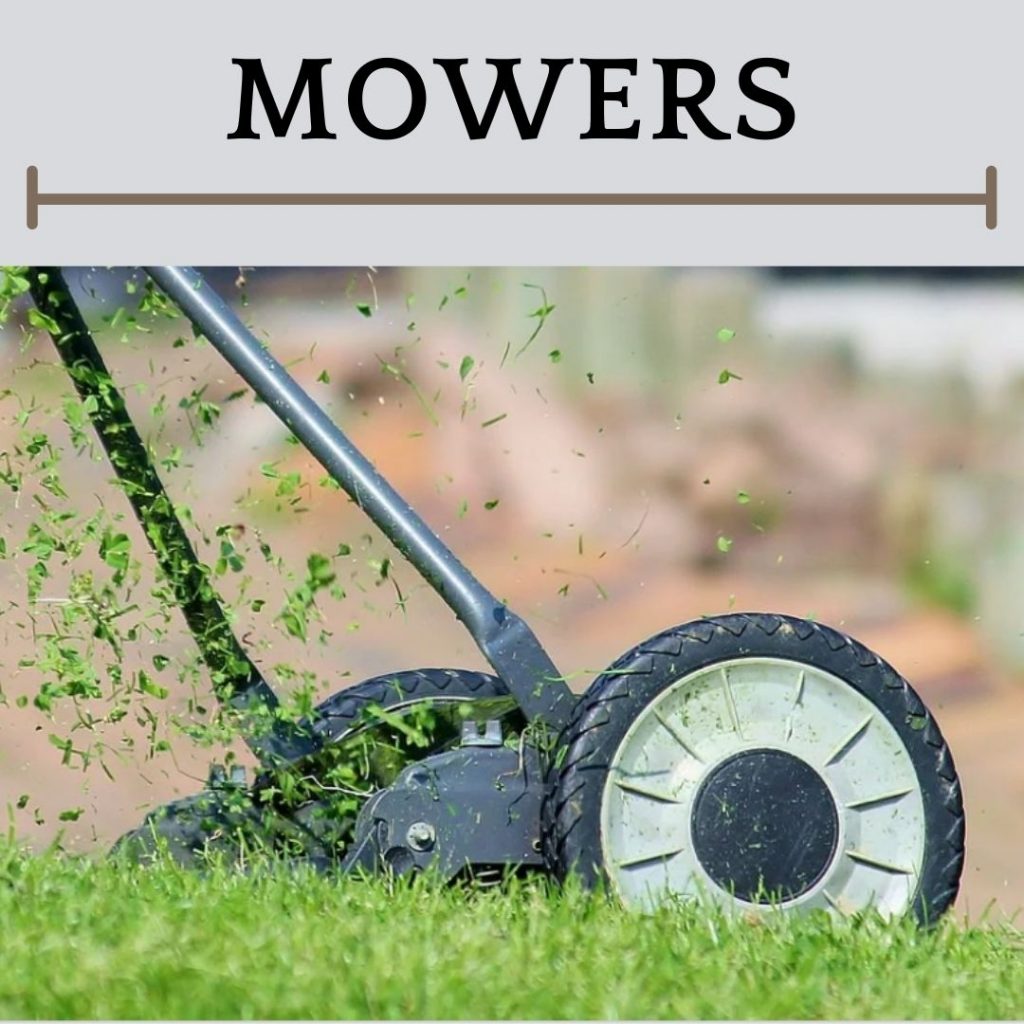
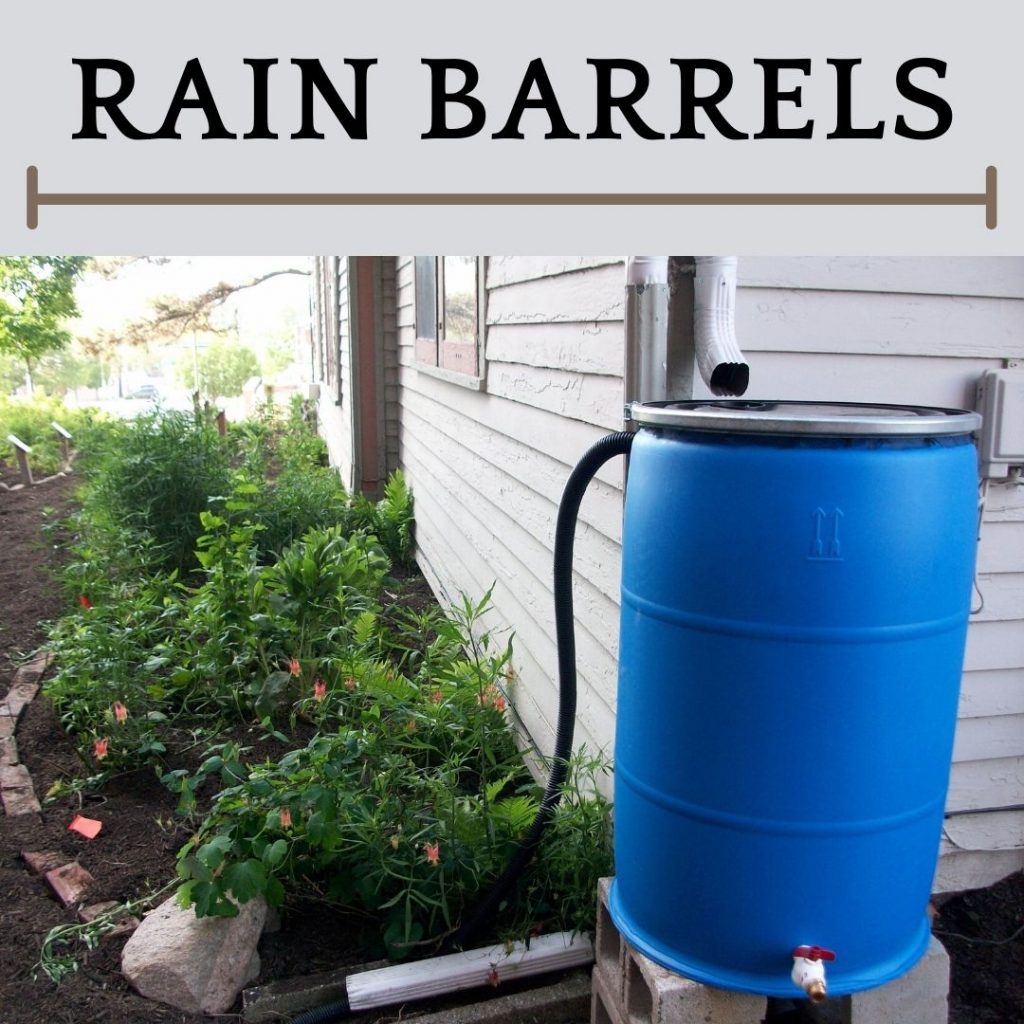
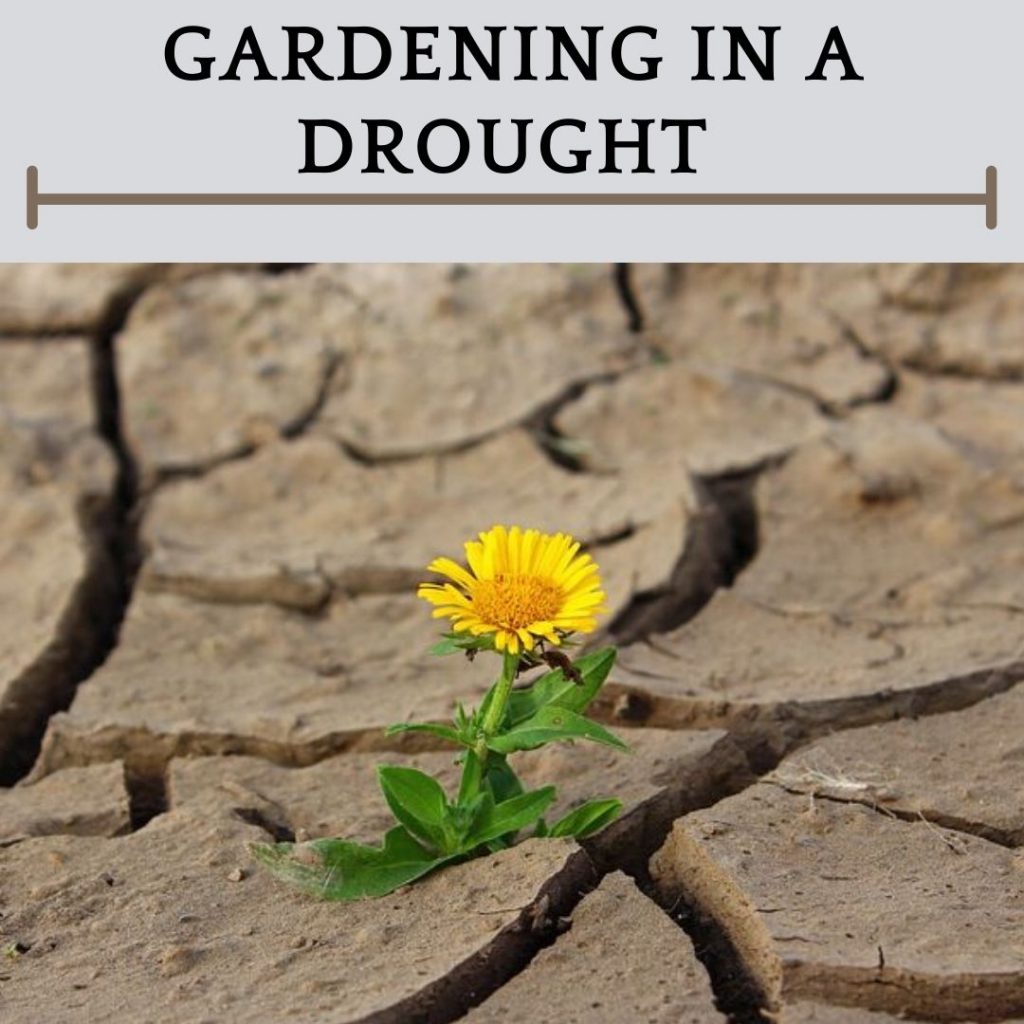
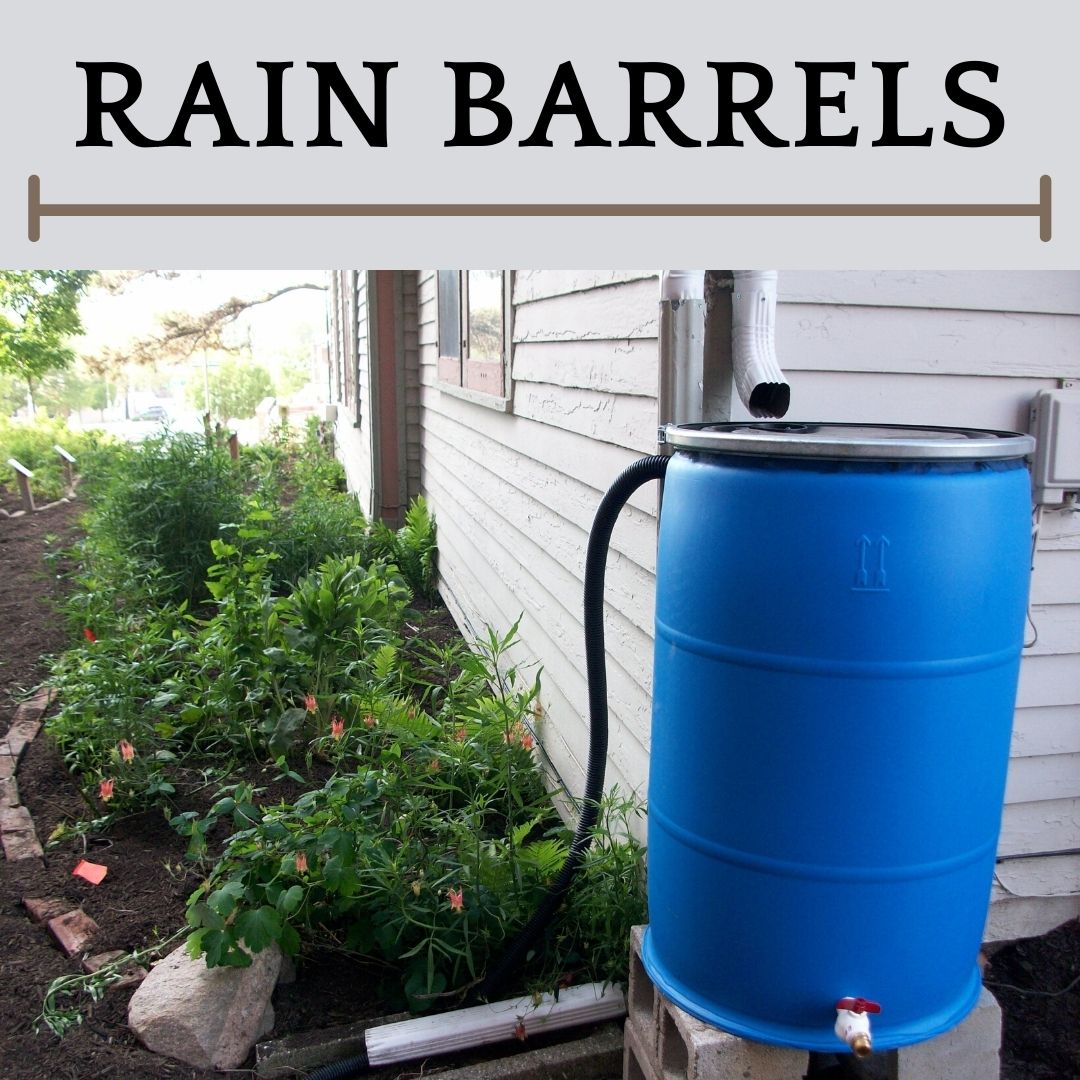
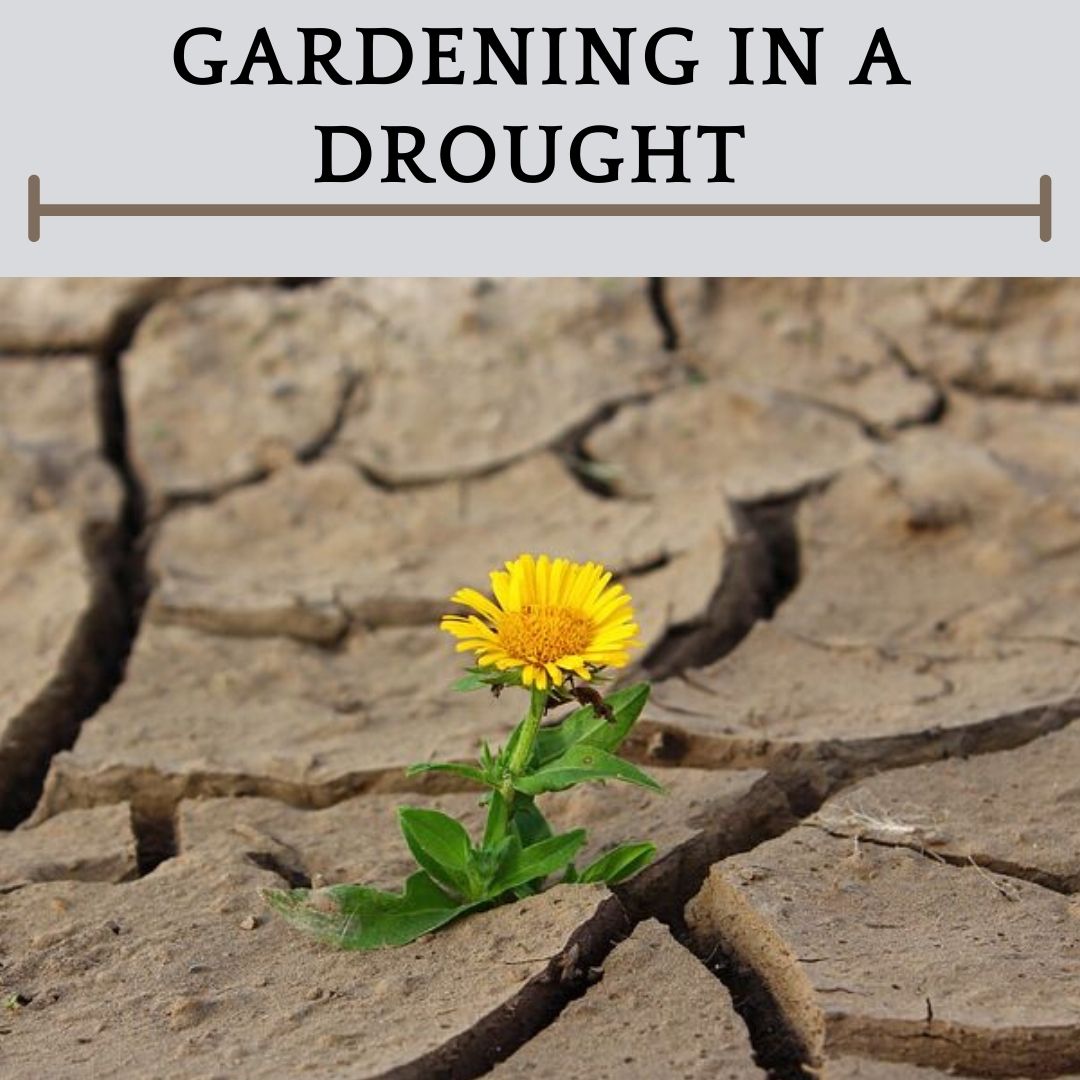
To help preserve our natural resources learn about different Mowers, Rain Barrels, Composting, and Gardening During a Drought. Always remember to practice Common Sense Lawn Care!
Goal 3: To Promote Native Wildlife
Yard Smart yards encourage a diverse wildlife population by landscaping with native plants, supplying adequate food and water, and providing a variety of shelter areas.
- Perennial Illinois native wildflowers, grasses, and shrubs are naturally drought resistant and once established, they do not require extra watering
- Native plants are pest resistant and require no fertilizers
- Feeders make supplementary sources of food during the winter months for wildlife
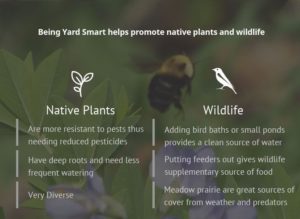
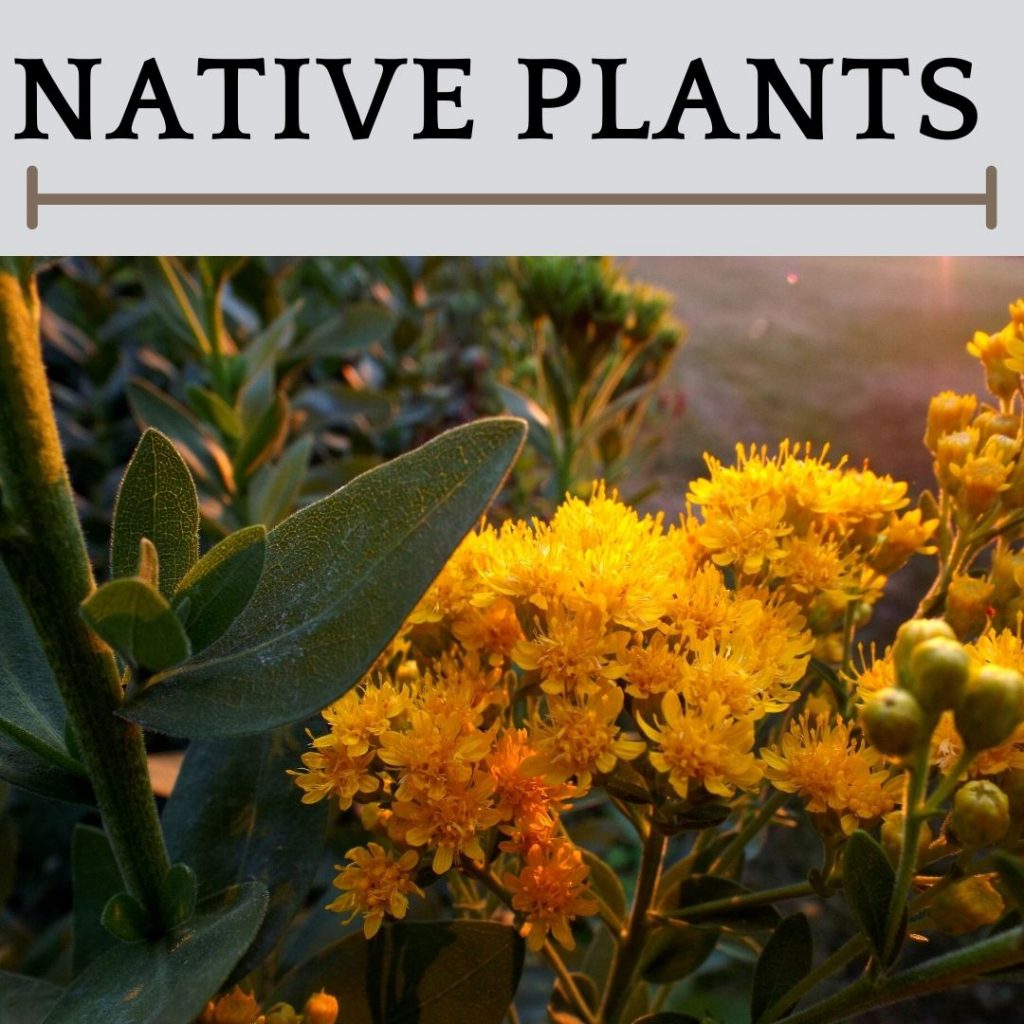
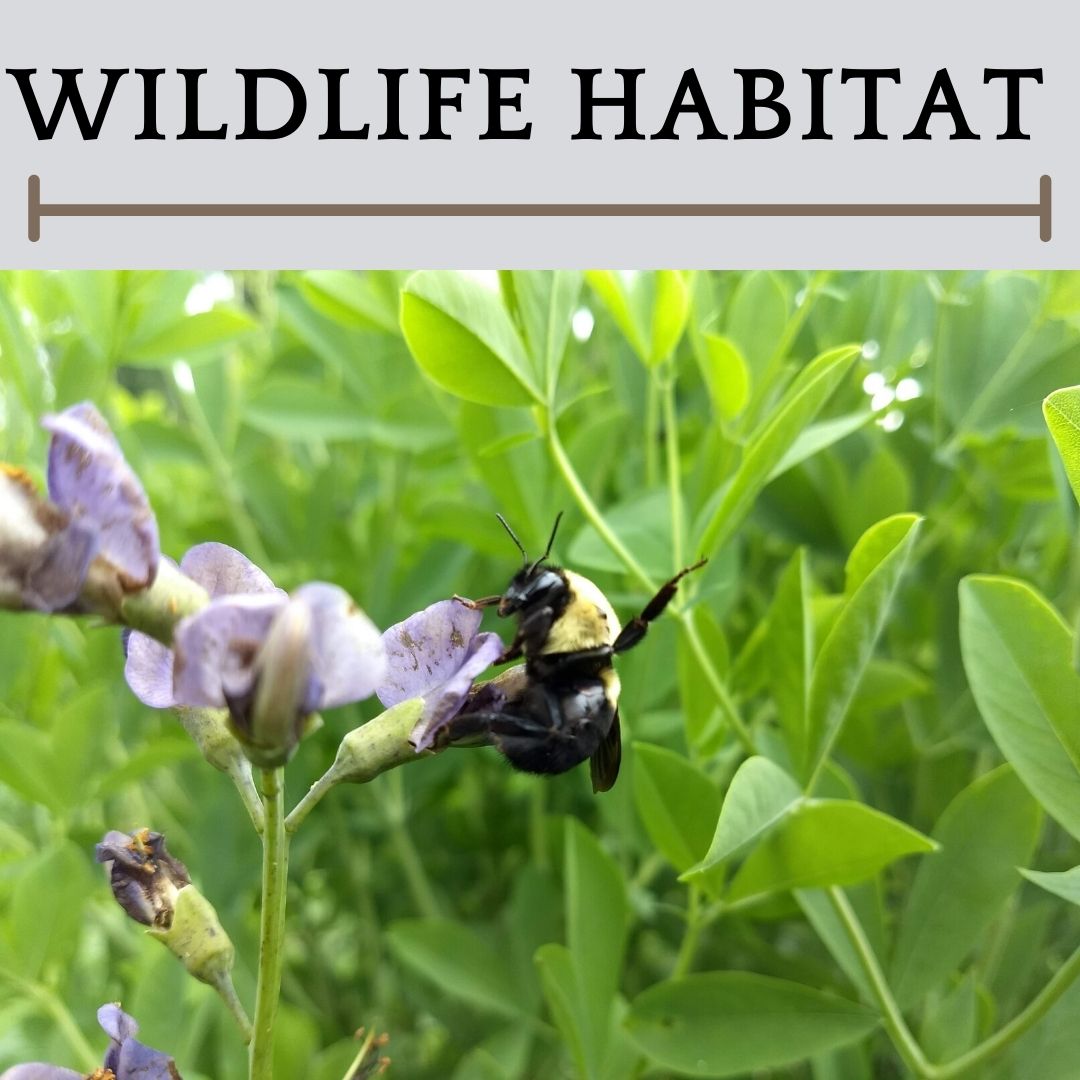
To help encourage diverse wildlife populations plant Native Plants from Native Nurseries and make your yard a good Wildlife Habitat.
Yard Smart Garden Walk
Join our annual Yard Smart Garden Walk! The tours generally start in the morning, and involve tours of local yards in the Bloomington-Normal area that demonstrate the Yard Smart principles, including reduced use of pesticides, recycling, and creating wildlife habitats. Some of the yards are examples of chemical-free maintenance or organic gardening practices. The event is free and open to everyone, and occurs in July. If you are interested in joining the next tour make sure to sign up for our Yard Smart Updates email list to be the first to know about the walk!