In your neighborhood, water from rain, snow melt, and sprinklers flows over yards and pavement into storm drains. The water is not treated as it flows directly to our creeks, rivers, and lakes. As water moves, it picks up natural and human-made pollutants. Your help is needed to prevent pollution of water that we use for swimming, fishing, and drinking.
What are Common Sources of Water Pollution?
• Motor oil
• Antifreeze
• Soap from washing vehicles
• Paint
• Fertilizers and pesticides
• Yard debris
• Trash
• Pet waste
Storm water includes water from sources that are the result of either human activities or single-identifiable areas such as industrial plants or factories. Examples of point source pollutants include chemical runoff, oil leaks, sewage, and bulk trash. Examples of non-point source pollutants include car fluid leaks, fertilizers from farms, pesticides from gardens, paint (if dumped into any household water basins), littered trash, and “natural” litter (i.e. grass clippings, leaves, or animal feces)
The Ecology Action Center, City of Bloomington, Town of Normal, McLean County Highway Department, and Bloomington-Normal Water Reclamation District are working together to protect our local waterways. Will you join us?
We All Live Downstream – Let’s Keep Our Water Clean
Don’t Dump
• Recycle and dispose of hazardous wastes properly. Not sure how? Call 309-454-3169 for detailed information or download Recycle Coach.
• Many service stations will recycle your motor oil and other automotive fluids.
Keep Storm Drains Clear
• Don’t rake or sweep leaves, grass or soil into the street.
• Vegetate bare or erosion-prone spots.
• It is important to keep storm drains clear and keep pollutants out of our water. Our Storm Drain Stenciling volunteers make sure the message is clear!
• Do not litter. Help pick up litter by joining the Ecology Action Center’s mCLEAN Up Crew!
Be Yard Smart
• Avoid fertilizing before storms.
• Minimize use of pesticides and lawn chemicals.
• Compost yard waste and use a mulching mower for grass clippings.
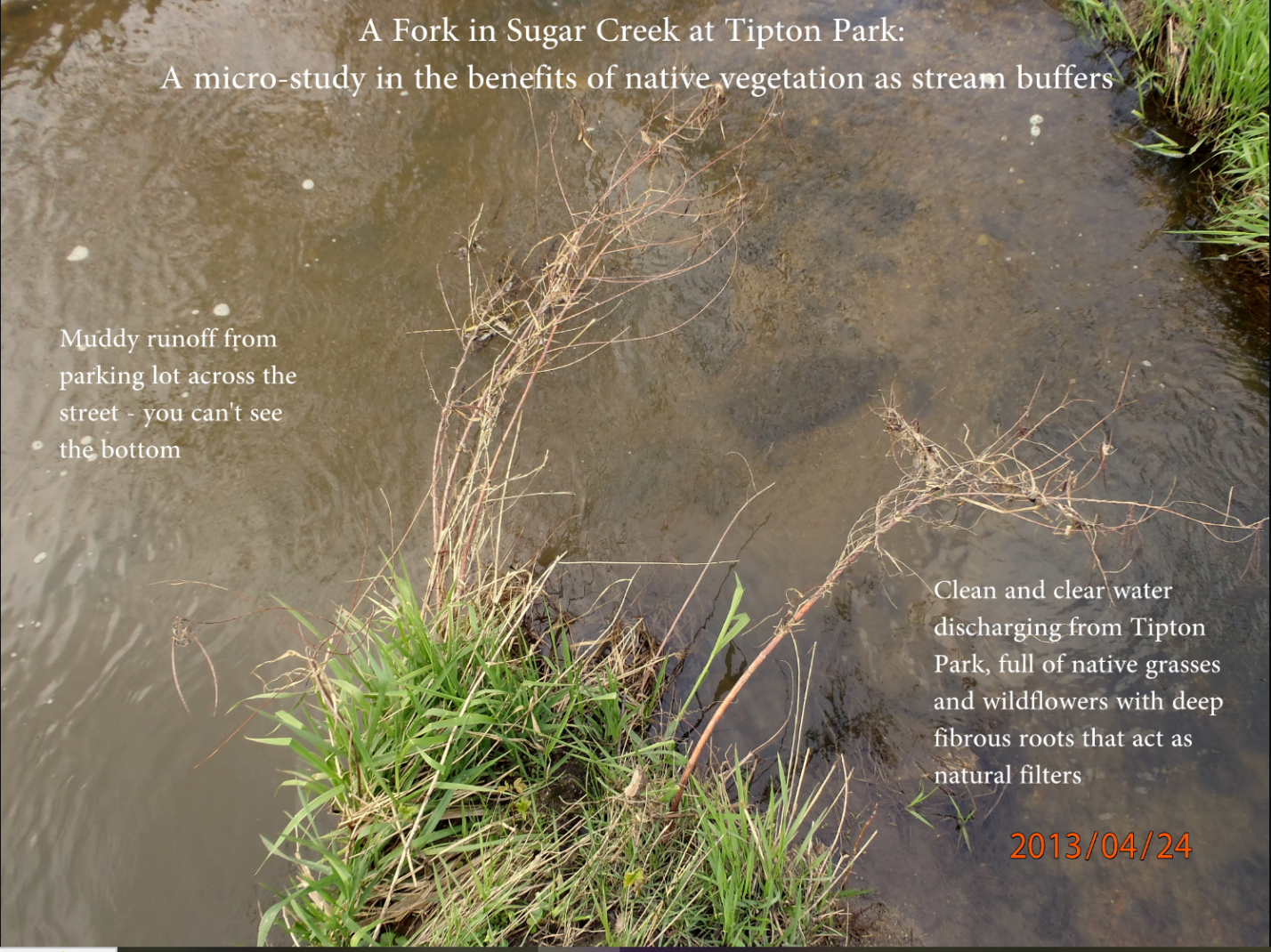
• If you live near a waterway, do not mow your grass up to the waterfront as increased vegetation will help filter out pollutants contained in runoff.
• Use native plants in your landscaping as they require no fertilizers, little to no watering, and are pest-resistant.
• Don’t mow close to creeks and streams. Allow stream buffers to grow to help filter pollutants out before storm water reaches that waterways.
Around the House
• Direct downspouts away from paved surfaces on your property.
• During home improvement projects sweep up all debris and clean paintbrushes inside.
• Use a commercial car wash or wash your car on a lawn instead of the driveway.
• Install rain barrels or a rain garden to help keep rain water onsite.
Pick Up after Pooch
• Clean up pet waste frequently and dispose of properly.